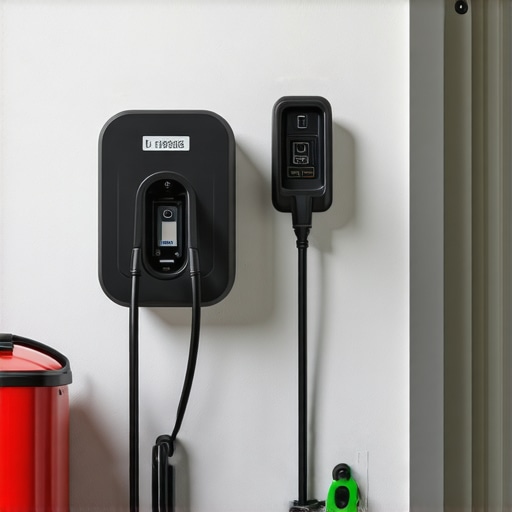

Is Your EV Home Setup Legal? New 2026 Code Compliance Fixes
It was late at night when I first realized I might have put my electric vehicle charger and home electrical system at risk. A flicker here, a brief surge there—small glitches that seemed harmless at first. But then came the lightbulb moment: am I even compliant with the new 2026 electrical codes? I had learned the hard way that what seemed minor could have serious safety and legal consequences.
Why Getting Your EV Setup Right Matters Now
Ever since I upgraded my home to charge my EV, I’ve been caught in a dance between convenience and compliance. The 2026 electrical code updates aren’t just bureaucratic hoops—they’re designed to ensure your safety and protect your investment. Did you know that according to the National Fire Protection Association, improper electrical installations are responsible for a significant percentage of residential fires in the US? That’s a stark reminder that neglecting code compliance isn’t just risky—it’s potentially dangerous and costly.
Initially, I thought a simple plug-in upgrade would suffice. But as I dug deeper, I uncovered a maze of requirements, especially regarding panel upgrades and safe wiring practices. Trust me, overlooking these details can lead to fines, insurance issues, or worse—electric fires.
Are You Missing Critical Details and Putting Your Home at Risk?
When I first tried to verify my installation, I made a mistake I see many homeowners repeating: assuming that all electricians are equally qualified for EV-specific upgrades. Not all are familiar with the latest code changes. To truly ensure your system’s safety and legality, it’s essential to work with professionals who understand these new standards. For a comprehensive guide, check out how to verify code compliance for your EV charger installation.
Now, I want to help you avoid the pitfalls I stumbled into. In the next sections, we’ll explore how to confirm your setup’s compliance, identify potential hazards, and ensure your home is safe for reliable EV charging. If you’ve faced similar doubts or issues, keep reading—we’ll get your system up to code and running smoothly.
Assess Your Electrical Panel and Upgrade When Needed
Begin by inspecting your existing electrical panel. If it’s outdated or lacks sufficient capacity for your EV charger, an upgrade is essential. Think of your panel as the heart of your electrical system—just like a thirsty garden needs a bigger water hose during a drought, your home needs a larger panel to handle increased demand. I once tried to skip this step, hoping my current panel would suffice, but soon faced flickering lights and occasional outages. After consulting with a licensed electrician through contact us, I confirmed that a 200-amp panel was necessary, and the upgrade transformed my charging experience.
Choose a Suitable EV Charger with Compliance in Mind
Select an EV charger that’s rated for residential use and meets the 2026 standards. Look for certifications from recognized bodies like UL. The wrong charger won’t just cause charging issues—it can be a safety hazard akin to using a faulty extension cord that overheats. I recommend reading how to verify code compliance before purchase to ensure you’re investing in a safe, reliable device.
Hire a Certified Electrician with EV Experience
Work with professionals who are familiar with the latest code updates. Just like a mechanic who specializes in electric cars, an electrician with EV expertise will ensure proper wiring, grounding, and compliance. In my experience, hiring an EV-savvy electrician avoided future headaches—like troubleshooting connectivity issues later. For troubleshooting common issues, visit troubleshooting tips.
Perform a Detailed Inspection of Wiring and Connections
Before finalizing installation, verify all wiring complies with current standards. Consider this step as inspecting the foundation of a house before adding an extension—crucial for safety. I found that loose connections or undersized wiring could cause surges or even fires. Using a multimeter, I checked voltage levels and continuity, ensuring everything was solid. If you’re unsure, a professional inspection is invaluable.
Implement Ground Fault and Overcurrent Protection
Protect your system with ground fault circuit interrupters (GFCIs) and appropriately rated circuit breakers. This is like installing security alarms—set up to alert you before a small issue becomes a catastrophe. My electrician installed GFCIs directly at the panel and included residual current devices, which gave me peace of mind during storms or power surges.
Verify and Document Your Installation
Once everything is installed, confirm compliance by reviewing local codes and obtaining the necessary permits. Documentation acts as the safety net—like an insurance policy—should audits or insurance claims arise. I kept detailed records, photos, and receipts, which later proved helpful when my utility company inspected my setup.
Test the System Thoroughly
After installation, run multiple charging sessions while monitoring for issues. If, during testing, the charger disconnects or displays error codes, troubleshoot using expert troubleshooting tips. This proactive approach helps ensure reliable and safe operation before regular use.
When it comes to upgrading your electrical system for EV charging, many homeowners focus on the basics: bigger panels, compatible chargers, and proper wiring. But as an expert, I can tell you that the nuances often separate a smooth upgrade from a costly mistake. A common myth is that simply installing a larger panel guarantees safety and compliance; however, neglecting detailed aspects like exact load calculations and adhering strictly to updated codes can undermine your entire setup.
One of the most overlooked aspects is the importance of accurate load forecasting. Many assume that existing circuits can handle additional EV chargers without a thorough assessment, but this oversight can lead to overcurrent conditions, reducing safety margins. This trap often results in nuisance trips or, worse, wiring degradation over time. According to electrical safety standards outlined by the National Fire Protection Association, precise load calculations are crucial to prevent such issues, especially as the 2026 codes tighten requirements regarding continuous load capacities.
Why do so many electricians get it wrong when troubleshooting complex EV charging problems?
Many professionals rely on generic troubleshooting steps that overlook specific nuances of EV chargers, such as communication errors or subtle wiring faults. These advanced issues often require a methodical and informed approach—like confirming that your system’s grounding is solid or that your wiring conforms precisely to the latest edition of electrical codes. A failure to recognize these details can result in prolonged downtime or safety hazards. Critical inspection of connections and proper use of diagnostic tools, such as multimeters and load testers, are essential. For a deeper dive into expert troubleshooting techniques, I recommend reviewing these troubleshooting tips.
Addressing code compliance isn’t solely about ticking boxes; it’s about understanding the underlying principles that promote safety and reliability. Many assume that following the step-by-step checklist provided by the manufacturer is enough, but codes are evolving and often include subtle mandates—such as specific wire gauge requirements or breaker types—that aren’t always highlighted by installers. Staying updated through reputable resources, like consulting with licensed electricians via contact us, ensures your installation isn’t just compliant on paper but genuinely safe in practice.
Moreover, the common mistake of underestimating the importance of proper permit approval can lead to legal issues down the line. Ensuring that each phase of your upgrade is documented and inspected per local regulations provides peace of mind and protects your investment. Remember, a comprehensive approach—considering load calculations, code updates, professional verification, and thorough troubleshooting—sets the foundation for reliable and safe EV charging at home. Have you ever fallen into this trap? Let me know in the comments.
Keeping Your System in Top Shape with the Right Tools
Ensuring your EV charging setup remains safe and efficient over time requires more than just initial installation. The tools I rely on are tailored for precision and reliability. A high-quality digital multimeter is indispensable; I personally prefer the Fluke 115 because of its accuracy and durability, allowing me to verify voltage, continuity, and grounding connection swiftly. Additionally, a sophisticated clamp meter helps me monitor load currents during peak charging times, catching potential issues before they escalate. For detecting hidden wiring faults or insulation degradation, thermal imaging cameras like the FLIR E4 are invaluable—spotting hot spots that can indicate loose connections or overloaded circuits for troubleshooting insights.
Beyond hardware, software tools like digital load calculation spreadsheets help me track and plan for future upgrades, especially when scaling up or adding additional charging stations. These tools keep me aligned with current code requirements and assist in forecasting potential capacity issues, aligning perfectly with long-term maintenance goals.
How do I keep my EV charger running smoothly as years go by?
Regular inspections and proactive maintenance are key. I set reminders to check connections every six months, ensuring all wiring remains tight and corrosion-free. Additionally, I update my electrical system documentation and keep digital records of inspections, repairs, and upgrades, which simplifies troubleshooting and future modifications. For complex issues or upgrades, I always consult licensed professionals via their contact page—trusting expert advice helps prevent costly errors.
Predicting where this trend is heading, advancements in smart diagnostic tools will likely make maintenance even more accessible. Imagine remote monitoring systems that alert you to faults or wear before they become serious—making
Lessons from the Front Lines of EV Charging Safety
- One of my biggest surprises was realizing how critical precise load calculations are; overlooking this can cause unexpected surges and safety hazards.
- I underestimated how much the right professional guidance impacts long-term safety—DIY fixes might save money initially but can be costly later if not done correctly.
- Negotiating with electricians who are unfamiliar with the latest 2026 code updates can lead to compliance issues—trusting specialists ensures peace of mind.
- Documentation became my secret weapon; keeping detailed records of permits, inspections, and upgrades helped me troubleshoot and avoid legal complications.
- Regular system checks and investing in quality diagnostic tools proved invaluable; preventive care saves headaches and money over time.
Tools and Resources That Transformed My Approach
- Fluke 115 Multimeter: This reliable tool helped me verify voltage levels and grounding, ensuring everything was up to spec.
- Thermal Imaging Camera (FLIR E4): Spotting hidden wiring issues kept my system safe and efficient.
- Load Calculation Spreadsheets: These helped me plan for future expansions and stay aligned with energy codes.
- Reputable Guides and Professional Advice: Resources like this guide and direct consultation with licensed electricians ensured my setup met all safety standards.
Charge Forward with Confidence
Upgrading your home for EV charging isn’t just about installing new hardware—it’s about embracing a proactive, informed mindset. Every step you take toward understanding the nuances of code compliance and system safety builds a foundation for reliable, safe, and long-lasting charging. If you’re ready to tackle your upgrade, remember that the right tools, knowledge, and professional support make all the difference. Your safety and peace of mind are worth the effort—don’t wait for a flicker or surge to remind you. What challenges have you faced with your EV installation, and how did you overcome them? Share your experiences below, and let’s learn together!